
News
Burlington Times News Obituaries: How to Search Recent Death Notices and Memorials


When families experience the loss of a loved one, sharing an obituary becomes an important way to celebrate a life, notify friends and relatives, and preserve lasting memories. Burlington Times News Obituaries have long served as a trusted source for death notices, memorial announcements, and funeral information for residents of Burlington and nearby communities. Whether someone is searching for a recently published obituary, researching family history, or looking for service information, the obituary section provides valuable details that help families stay connected during difficult times.
Today, obituary listings are more accessible than ever through digital archives and online newspaper platforms. Instead of relying solely on printed editions, readers can search by name, publication date, or location to find current and historical records. Understanding how these obituary listings work makes the process faster and more efficient, especially for those searching for specific individuals or conducting genealogy research.
What Are Burlington Times News Obituaries?
Burlington Times News Obituaries are published death announcements that recognize the lives of individuals who have passed away within Burlington and the surrounding communities. These notices generally include the individual’s full name, age, date of death, family members, funeral arrangements, memorial services, charitable donation requests, and personal life achievements. Many families also include photographs, biographies, favorite memories, military service, career accomplishments, volunteer work, and messages of gratitude to friends and caregivers.
Obituaries serve several important purposes beyond simply announcing a death. They provide historical records for future generations, preserve family heritage, help genealogists trace family lines, and allow community members to express condolences. Over time, these published memorials become valuable historical documents that reflect the lives and contributions of local residents while helping preserve community history for years to come.
How to Search Burlington Times News Obituaries
Finding an obituary has become much easier thanks to digital newspaper archives and searchable online databases. Most obituary searches begin by entering the person’s first and last name into the newspaper’s search feature. If the name produces multiple results, adding the approximate year of death, city, or family members can help narrow the search significantly.
For older obituary records, archived newspaper collections often organize listings by publication date, allowing users to browse editions from specific months or years. Genealogy researchers frequently combine newspaper archives with public records, cemetery databases, funeral home websites, and memorial platforms to gather more complete information about an individual. Searching with multiple variations of a person’s name, including maiden names or common nicknames, can also improve search results when records are incomplete or contain spelling differences.
Information Commonly Found in Obituaries
An obituary contains much more than basic death information. Modern obituary notices often tell the story of a person’s life, highlighting important milestones and achievements that defined their legacy. Readers typically find birth and death dates, educational background, career history, military service, religious affiliations, hobbies, volunteer activities, surviving relatives, and details regarding funeral or memorial services. Some families also include favorite quotes, personal stories, photographs, and charitable organizations where donations may be made in memory of the deceased.
These details create a meaningful tribute that helps friends, neighbors, coworkers, and distant relatives remember the individual while also informing the community about upcoming memorial events. In many cases, online obituaries also include guestbooks where visitors can leave messages of sympathy and support for grieving family members.
Benefits of Online Obituary Archives
Digital obituary archives have transformed the way people search for historical records. Instead of visiting libraries or requesting physical newspaper copies, users can access decades of obituary listings from their homes. Search filters make it easier to locate records using names, dates, locations, or keywords, while digital copies preserve the original formatting and photographs from the newspaper publication.
Online archives are especially valuable for family historians and genealogy enthusiasts because they provide long-term access to records that may otherwise be difficult to locate. Researchers can compare obituary information with census records, military records, cemetery databases, and birth or marriage certificates to build accurate family trees and document family history across multiple generations.
Why Obituaries Matter to Families and Communities
Obituaries are more than newspaper announcements—they are lasting tributes that celebrate a person’s life and contributions. Families often spend considerable time preparing an obituary because it serves as both a public announcement and a permanent historical record. It allows loved ones to honor achievements, recognize relationships, preserve cherished memories, and invite the community to participate in funeral or memorial services.
Communities also benefit from obituary publications because they strengthen local connections, acknowledge the lives of longtime residents, and provide opportunities for neighbors, friends, and former colleagues to express condolences. For future generations, these published memorials become meaningful historical documents that preserve personal stories which might otherwise be forgotten.
Tips for Finding Older Obituaries
Searching older obituary records may require additional patience and research techniques. Newspaper archives often contain decades of historical publications, but older records may have limited search indexing or scanned images with imperfect text recognition. Using broader date ranges, alternative spellings, initials, maiden names, or known family members can improve search accuracy. Researchers should also consult funeral homes, local historical societies, public libraries, and genealogy organizations when newspaper searches do not produce immediate results.
Combining multiple sources frequently leads to more complete information and helps verify dates, relationships, and historical details that may not appear in a single obituary listing.
Conclusion
Burlington Times News Obituaries continue to provide an important resource for families, researchers, and community members seeking recent death notices, memorial information, and historical records. Whether you are looking for a current obituary, researching family history, or preserving the memory of a loved one, obituary listings offer valuable information that extends far beyond simple announcements. As more records become digitally available, finding both recent and historical obituaries has become faster, more convenient, and more accessible, ensuring that the stories and legacies of individuals remain available for future generations.
Frequently Asked Questions (FAQ)
1. What are Burlington Times News Obituaries?
They are published death notices and memorial articles that provide information about individuals who have passed away, including funeral arrangements and life summaries.
2. Can I search older Burlington Times News obituaries?
Yes. Many newspaper archives and obituary databases include historical records that can be searched by name, date, or location.
3. What information is included in an obituary?
Most obituaries include the person’s name, age, date of death, family information, funeral details, biography, achievements, and memorial information.
4. Are online obituary archives free?
Some obituary listings are freely available, while others may require a newspaper subscription or access through a library or genealogy service.
5. Why are obituaries important for genealogy?
Obituaries often contain valuable family relationships, birth and death dates, marriage information, and other historical details that help researchers build accurate family trees.
6. How can I find a specific obituary?
Search using the person’s full name, approximate date of death, city of residence, and, if possible, the names of relatives or the funeral home involved.
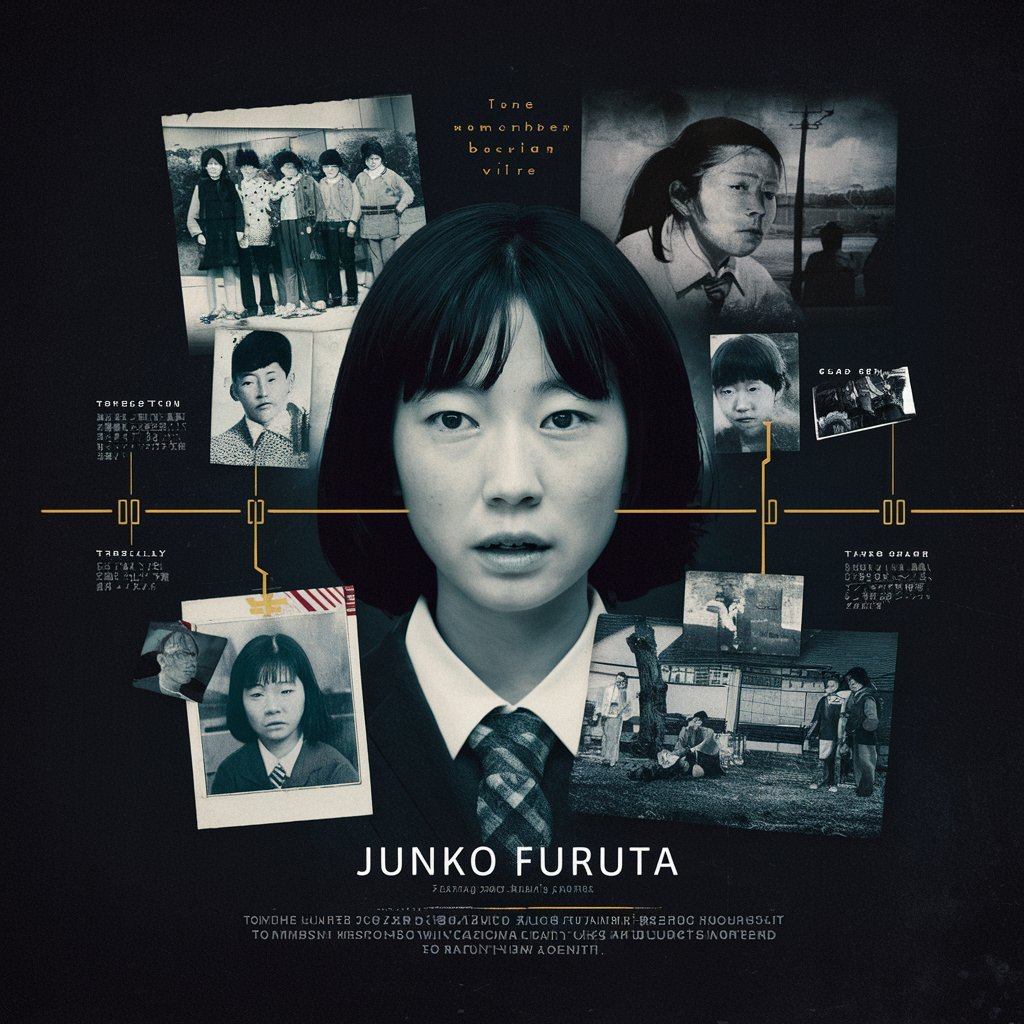
Junko Furuta was a Japanese high school student who became the victim in one of the country’s most widely discussed criminal cases during the late 1980s. She was known by classmates and teachers as a polite, hardworking, and responsible young woman who focused on her education and future career. Like many teenagers, she had hopes for adulthood, valued her friendships, and looked forward to building a successful life. Her name later became internationally recognized not because of her own actions but because of the shocking crime committed against her and the public response that followed. Today, discussions about Junko Furuta are generally centered on honoring her memory, understanding the failures that contributed to the tragedy, and examining how the criminal justice system responded to the case.
The widespread interest in the Junko Furuta case reflects more than curiosity about a historical crime. Researchers, journalists, legal experts, and members of the public often study the case to better understand issues involving violent crime, juvenile offenders, criminal investigations, sentencing policies, and victim advocacy. Over the decades, documentaries, books, newspaper reports, and academic discussions have analyzed the circumstances surrounding the case while emphasizing the importance of remembering the victim with dignity rather than focusing on sensational details. As a result, the case continues to be referenced in conversations about legal reform, public safety, and the importance of early intervention when warning signs of criminal behavior appear.
Background of the Junko Furuta Case
The events surrounding the Junko Furuta case took place in Japan during the late 1980s, a period often remembered as one of significant economic growth and social change. Although the country enjoyed increasing prosperity, the case demonstrated that serious violent crimes could occur even within communities that appeared stable from the outside. The incident challenged public assumptions about safety and prompted discussions regarding the influence of youth delinquency, organized criminal associations, and weaknesses in recognizing and responding to dangerous situations before they escalated into tragedy.
As information about the case became public, newspapers and television networks across Japan devoted extensive coverage to the investigation and the court proceedings. The crime generated widespread public outrage because many people believed that the severity of the offenses demanded equally significant legal consequences. The intense media attention also encouraged broader discussions about juvenile justice laws, sentencing practices, victim protection, and whether existing legal frameworks were sufficient to address crimes involving young offenders. Even decades later, these discussions continue whenever the Junko Furuta case is examined by historians, legal scholars, or journalists exploring the evolution of Japan’s criminal justice system.
Timeline of the Junko Furuta Case
Understanding the Junko Furuta case is easier when the major developments are viewed in chronological order. In late 1988, Junko Furuta encountered a group of young offenders whose criminal actions ultimately led to one of the most infamous cases in modern Japanese history. Following the initial crime, authorities eventually began investigating the disappearance after information connected to the suspects emerged during separate police inquiries. As investigators gathered evidence and interviewed witnesses, they were able to reconstruct the sequence of events and identify those responsible. The investigation ultimately resulted in arrests, criminal charges, and court proceedings that attracted nationwide attention because of the extraordinary seriousness of the offenses and the legal questions surrounding the ages of several offenders.
Following the arrests, prosecutors presented evidence in court while defense teams argued their respective positions under Japanese law. The legal process attracted enormous public interest, with newspapers providing frequent updates regarding testimony, sentencing recommendations, and judicial decisions. Although the criminal proceedings eventually concluded, public debate continued long afterward, particularly concerning the adequacy of punishments, the handling of juvenile offenders, and whether legislative reforms were necessary to strengthen protections for victims and improve accountability in future cases. The timeline therefore represents not only the sequence of criminal events but also the beginning of decades of discussion regarding justice and legal reform.
Investigation and Police Response
The investigation into the Junko Furuta case demonstrated the importance of careful evidence collection, witness interviews, and coordinated police work. Once investigators identified individuals connected to the crime, they were able to gather statements, physical evidence, and other information that allowed prosecutors to present a detailed case before the court. Investigators worked to establish the roles played by each offender while documenting the evidence necessary to support criminal charges. The investigation became one of the most closely followed police inquiries in Japan because of both the seriousness of the offenses and the intense public demand for justice.
The police response and subsequent legal proceedings have also become subjects of continued academic discussion. Some commentators have examined whether opportunities existed for earlier intervention, while others have focused on broader institutional lessons regarding communication, reporting, and community awareness. Although opinions differ regarding aspects of the investigation and judicial process, there is broad agreement that the case highlighted the importance of effective law enforcement, public cooperation, and legal systems capable of responding appropriately to exceptionally serious crimes. These lessons remain relevant today as governments around the world continue working to improve victim protection, criminal investigations, and public confidence in the justice system.
Junko Furuta was a Japanese high school student who became the victim in one of the country’s most widely discussed criminal cases during the late 1980s. She was known by classmates and teachers as a polite, hardworking, and responsible young woman who focused on her education and future career. Like many teenagers, she had hopes for adulthood, valued her friendships, and looked forward to building a successful life. Her name later became internationally recognized not because of her own actions but because of the shocking crime committed against her and the public response that followed. Today, discussions about Junko Furuta are generally centered on honoring her memory, understanding the failures that contributed to the tragedy, and examining how the criminal justice system responded to the case.
The widespread interest in the Junko Furuta case reflects more than curiosity about a historical crime. Researchers, journalists, legal experts, and members of the public often study the case to better understand issues involving violent crime, juvenile offenders, criminal investigations, sentencing policies, and victim advocacy. Over the decades, documentaries, books, newspaper reports, and academic discussions have analyzed the circumstances surrounding the case while emphasizing the importance of remembering the victim with dignity rather than focusing on sensational details. As a result, the case continues to be referenced in conversations about legal reform, public safety, and the importance of early intervention when warning signs of criminal behavior appear.
Background of the Junko Furuta Case
The events surrounding the Junko Furuta case took place in Japan during the late 1980s, a period often remembered as one of significant economic growth and social change. Although the country enjoyed increasing prosperity, the case demonstrated that serious violent crimes could occur even within communities that appeared stable from the outside. The incident challenged public assumptions about safety and prompted discussions regarding the influence of youth delinquency, organized criminal associations, and weaknesses in recognizing and responding to dangerous situations before they escalated into tragedy.
As information about the case became public, newspapers and television networks across Japan devoted extensive coverage to the investigation and the court proceedings. The crime generated widespread public outrage because many people believed that the severity of the offenses demanded equally significant legal consequences. The intense media attention also encouraged broader discussions about juvenile justice laws, sentencing practices, victim protection, and whether existing legal frameworks were sufficient to address crimes involving young offenders. Even decades later, these discussions continue whenever the Junko Furuta case is examined by historians, legal scholars, or journalists exploring the evolution of Japan’s criminal justice system.
Timeline of the Junko Furuta Case
Understanding the Junko Furuta case is easier when the major developments are viewed in chronological order. In late 1988, Junko Furuta encountered a group of young offenders whose criminal actions ultimately led to one of the most infamous cases in modern Japanese history. Following the initial crime, authorities eventually began investigating the disappearance after information connected to the suspects emerged during separate police inquiries. As investigators gathered evidence and interviewed witnesses, they were able to reconstruct the sequence of events and identify those responsible. The investigation ultimately resulted in arrests, criminal charges, and court proceedings that attracted nationwide attention because of the extraordinary seriousness of the offenses and the legal questions surrounding the ages of several offenders.
Following the arrests, prosecutors presented evidence in court while defense teams argued their respective positions under Japanese law. The legal process attracted enormous public interest, with newspapers providing frequent updates regarding testimony, sentencing recommendations, and judicial decisions. Although the criminal proceedings eventually concluded, public debate continued long afterward, particularly concerning the adequacy of punishments, the handling of juvenile offenders, and whether legislative reforms were necessary to strengthen protections for victims and improve accountability in future cases. The timeline therefore represents not only the sequence of criminal events but also the beginning of decades of discussion regarding justice and legal reform.
Investigation and Police Response
The investigation into the Junko Furuta case demonstrated the importance of careful evidence collection, witness interviews, and coordinated police work. Once investigators identified individuals connected to the crime, they were able to gather statements, physical evidence, and other information that allowed prosecutors to present a detailed case before the court. Investigators worked to establish the roles played by each offender while documenting the evidence necessary to support criminal charges. The investigation became one of the most closely followed police inquiries in Japan because of both the seriousness of the offenses and the intense public demand for justice.
The police response and subsequent legal proceedings have also become subjects of continued academic discussion. Some commentators have examined whether opportunities existed for earlier intervention, while others have focused on broader institutional lessons regarding communication, reporting, and community awareness. Although opinions differ regarding aspects of the investigation and judicial process, there is broad agreement that the case highlighted the importance of effective law enforcement, public cooperation, and legal systems capable of responding appropriately to exceptionally serious crimes. These lessons remain relevant today as governments around the world continue working to improve victim protection, criminal investigations, and public confidence in the justice system.



 Health4 months ago
ABS Testauslösung: Bedeutung, Ursachen und Lösungen einfach erklärt
- News4 months ago
Chronicle Tribune Obituaries: Complete Guide to Searching Death Notices, Archives, and Memorial Information
- lifestyle4 months ago
Things to Paint: 150 Creative Painting Ideas for Every Skill Level
- Blogs4 months ago
Midtown Manhattan: The Ultimate Guide to Attractions, Hotels, Dining, Shopping, and Things to Do
- Business4 months ago
Charlotte Restaurant Week 2025: Complete Guide to Dates, Menus, Restaurants, Reservations & Dining Deals
- News4 months ago
Mountain Eagle Jasper Alabama: Complete Guide to the Local Newspaper and Community News
- Fashion4 months ago
Blazertje: The Complete Guide to Style, Fashion, and Everyday Wear
- Fashion4 months ago
Drew Ann Reid: Biography, Career, Achievements, and Professional Journey