
News
Mountain Eagle Jasper Alabama: Complete Guide to the Local Newspaper and Community News


When people search for Mountain Eagle Jasper Alabama, they are usually looking for reliable information about one of the most recognized local newspapers serving Jasper and the surrounding communities in Walker County. For decades, the Mountain Eagle has provided residents with trusted reporting on local government, education, business, sports, community events, and public announcements. Unlike national news organizations that focus on major headlines, this newspaper has built its reputation by delivering stories that directly affect local families, businesses, and organizations.
Local newspapers continue to play an important role even in today’s digital world. They preserve community history, promote civic engagement, and keep residents informed about important developments happening in their neighborhoods. This guide explores the history of Mountain Eagle, its role in Jasper, Alabama, the types of news it publishes, its impact on the community, and why it remains a valuable source of information for readers of all ages.
What Is Mountain Eagle Jasper Alabama?
The Mountain Eagle Jasper Alabama newspaper is a long-established local publication serving the city of Jasper and much of Walker County. Known for its commitment to factual reporting and community-focused journalism, the newspaper covers topics that are often overlooked by larger media organizations.
Readers depend on the Mountain Eagle for accurate reporting on city council meetings, county government decisions, school board updates, local elections, economic development, business openings, sports competitions, and community celebrations. The newspaper also publishes obituaries, legal notices, classified advertisements, and opinion columns that reflect the interests of local residents.
Because its reporting focuses specifically on Jasper and the surrounding communities, the newspaper has become an essential information source for citizens who want to stay informed about issues affecting their daily lives.
The History of Mountain Eagle Jasper Alabama
The history of Mountain Eagle Jasper Alabama reflects the broader history of local journalism in the United States. Over many decades, the publication has chronicled significant moments in Walker County’s development, documenting changes in industry, education, healthcare, politics, and community life.
As Jasper grew through periods of economic expansion and modernization, the Mountain Eagle evolved alongside the community. The newspaper reported on infrastructure improvements, new businesses, local elections, educational achievements, and cultural events while maintaining a strong commitment to accurate reporting.
Historical editions now serve as valuable records for researchers, historians, genealogists, and residents interested in learning more about the area’s past.
Why Local Journalism Matters
Local journalism performs an essential function that cannot easily be replaced by national media or social media platforms. Newspapers like Mountain Eagle provide accountability by monitoring local government actions, covering public meetings, and informing citizens about decisions that directly affect their communities.
Residents rely on accurate local reporting when voting in elections, supporting community initiatives, participating in civic organizations, and understanding issues related to schools, healthcare, and public safety. Without strong local journalism, many important stories would receive little or no public attention.
The Mountain Eagle demonstrates how community newspapers continue to strengthen democracy by encouraging transparency, public participation, and informed decision-making.
News Categories Covered by Mountain Eagle
One of the strengths of Mountain Eagle Jasper Alabama is its broad coverage of community life. Readers can expect reporting across numerous categories that reflect the diverse interests of Walker County residents.
Government reporting includes city council meetings, county commission updates, budget discussions, infrastructure projects, and public policy decisions. Education coverage highlights school achievements, academic programs, student awards, teacher recognition, and school board activities. Business reporting focuses on new investments, local entrepreneurs, employment opportunities, and economic development initiatives.
Sports coverage showcases high school athletics, regional competitions, and community sporting events that bring residents together throughout the year. Lifestyle sections feature festivals, nonprofit organizations, church events, health topics, and cultural celebrations that strengthen community connections.
The newspaper also provides public notices, obituaries, classified advertisements, and editorial opinions, making it a comprehensive resource for residents seeking local information.
The Importance of Community Newspapers
Community newspapers remain valuable because they prioritize local stories that national media rarely cover. They help residents understand changes within their cities, celebrate local achievements, and recognize individuals making positive contributions.
Small businesses also benefit from advertising opportunities provided by community newspapers. Local entrepreneurs can reach nearby customers while supporting independent journalism that serves the public interest. Community organizations use the newspaper to promote events, fundraising campaigns, volunteer opportunities, and educational programs.
The Mountain Eagle illustrates how a local newspaper can become an essential part of a community’s identity by connecting residents through shared experiences and reliable information.
Digital Transformation of Mountain Eagle Jasper Alabama
Like many newspapers across the country, Mountain Eagle Jasper Alabama has embraced digital publishing to meet the changing needs of modern readers. Online news platforms allow residents to access breaking news, feature stories, sports updates, and community announcements from computers, tablets, and smartphones.
Digital editions provide greater convenience while expanding readership beyond Walker County. Former residents, alumni, business owners, and families living in other states can stay connected to their hometown through online news coverage.
Although digital media has transformed the news industry, the core mission of providing trustworthy local journalism remains unchanged.
Why Residents Trust Mountain Eagle
Trust is one of the most important qualities of any news organization. Mountain Eagle has earned credibility through consistent reporting, professional journalism, and a commitment to covering issues that matter most to local readers.
Its journalists regularly attend public meetings, interview community leaders, verify information, and provide balanced reporting on local events. This dedication helps readers distinguish verified news from misinformation commonly found on social media.
Reliable reporting strengthens public confidence and encourages greater civic participation throughout the community.
How Mountain Eagle Supports Local Businesses
The newspaper plays an important role in supporting the local economy by giving businesses an effective platform for advertising products, services, employment opportunities, and special events. Many small businesses rely on community newspapers to reach customers living nearby, creating stronger economic connections within Walker County.
Business profiles and economic development stories also highlight local success stories, encouraging investment and community growth while celebrating entrepreneurship throughout the region.
The Future of Mountain Eagle Jasper Alabama
The future of local journalism depends on continued community support and the ability to adapt to changing technology. Newspapers like Mountain Eagle continue to innovate by expanding digital content while maintaining the trusted reporting standards that readers expect.
As communities increasingly seek reliable local information, newspapers that prioritize factual reporting, accountability, and community engagement will remain valuable public institutions. Mountain Eagle’s long history demonstrates the lasting importance of independent local journalism in preserving community identity and promoting informed citizenship.
Conclusion
The Mountain Eagle Jasper Alabama newspaper represents much more than a traditional news publication. It serves as a trusted record of community history, a source of reliable local information, and a platform for civic engagement throughout Jasper and Walker County. Through comprehensive reporting on government, education, business, sports, and community events, the newspaper continues to strengthen connections among residents while preserving the stories that shape the region’s identity.
Whether someone is researching local history, following current events, supporting local businesses, or staying informed about community developments, Mountain Eagle remains an invaluable resource. As journalism continues to evolve in the digital age, its commitment to serving the people of Jasper, Alabama, ensures that it will continue to play an important role for years to come.
Frequently Asked Questions (FAQs)
1. What is Mountain Eagle Jasper Alabama?
Mountain Eagle is a local newspaper based in Jasper, Alabama, providing news coverage for Jasper and Walker County, including government, education, business, sports, and community events.
2. What kind of news does Mountain Eagle publish?
The newspaper publishes local government updates, school news, business reports, sports coverage, obituaries, legal notices, community events, editorials, and classified advertisements.
3. Why is Mountain Eagle important to Jasper, Alabama?
It helps residents stay informed about local issues, promotes civic engagement, supports local businesses, and preserves the history of the community through accurate reporting.
4. Does Mountain Eagle have an online edition?
Yes. Mountain Eagle offers digital access to news and updates, allowing readers to stay informed from virtually anywhere.
5. Who reads Mountain Eagle Jasper Alabama?
Its audience includes residents of Jasper and Walker County, local business owners, government officials, educators, students, former residents, and anyone interested in community news.
6. Why are local newspapers still important?
Local newspapers provide in-depth coverage of community issues, hold local institutions accountable, support civic participation, and preserve regional history in ways that national media often cannot.
7. How can businesses benefit from advertising in Mountain Eagle?
Businesses can reach a targeted local audience, promote products and services, announce events, recruit employees, and build stronger relationships within the community.
8. What topics are most commonly covered by Mountain Eagle?
The publication regularly covers city government, county news, education, economic development, local businesses, sports, public safety, nonprofit activities, cultural events, and community announcements.
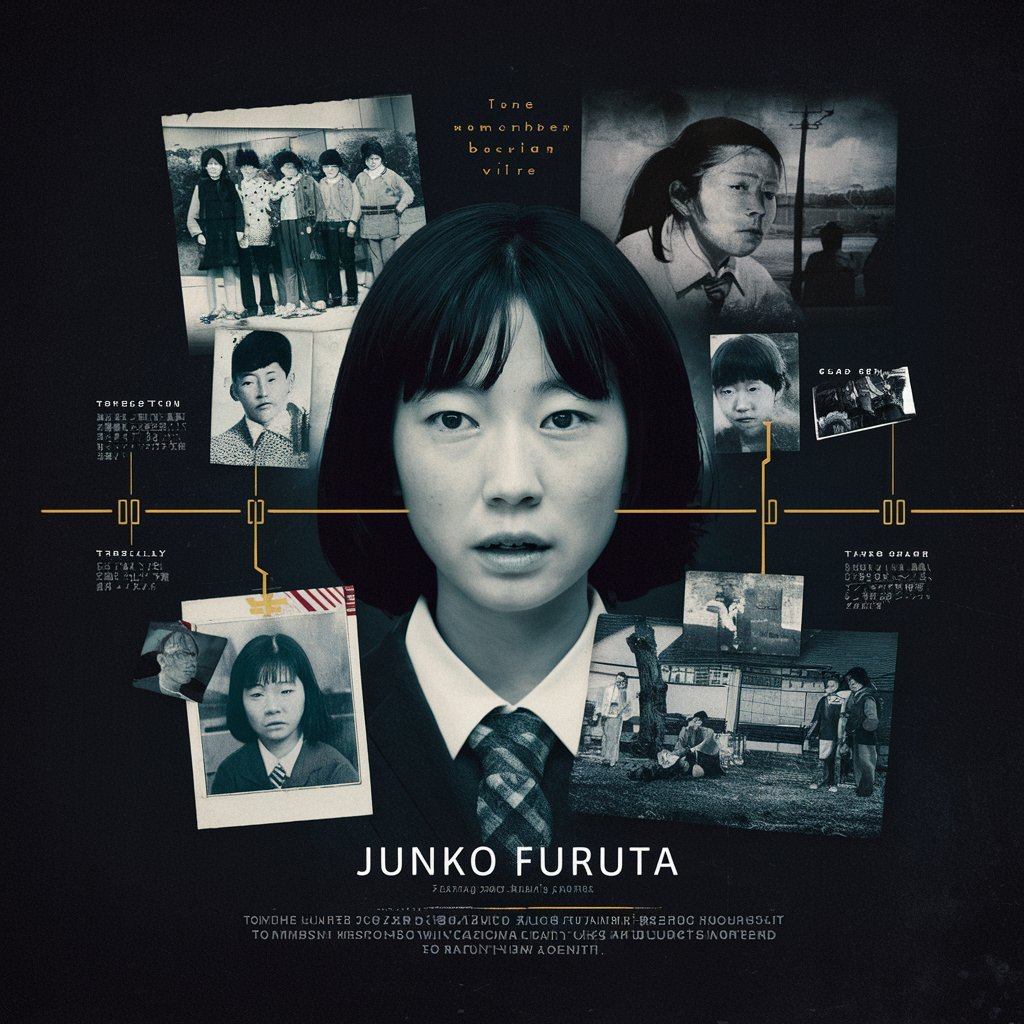
Junko Furuta was a Japanese high school student who became the victim in one of the country’s most widely discussed criminal cases during the late 1980s. She was known by classmates and teachers as a polite, hardworking, and responsible young woman who focused on her education and future career. Like many teenagers, she had hopes for adulthood, valued her friendships, and looked forward to building a successful life. Her name later became internationally recognized not because of her own actions but because of the shocking crime committed against her and the public response that followed. Today, discussions about Junko Furuta are generally centered on honoring her memory, understanding the failures that contributed to the tragedy, and examining how the criminal justice system responded to the case.
The widespread interest in the Junko Furuta case reflects more than curiosity about a historical crime. Researchers, journalists, legal experts, and members of the public often study the case to better understand issues involving violent crime, juvenile offenders, criminal investigations, sentencing policies, and victim advocacy. Over the decades, documentaries, books, newspaper reports, and academic discussions have analyzed the circumstances surrounding the case while emphasizing the importance of remembering the victim with dignity rather than focusing on sensational details. As a result, the case continues to be referenced in conversations about legal reform, public safety, and the importance of early intervention when warning signs of criminal behavior appear.
Background of the Junko Furuta Case
The events surrounding the Junko Furuta case took place in Japan during the late 1980s, a period often remembered as one of significant economic growth and social change. Although the country enjoyed increasing prosperity, the case demonstrated that serious violent crimes could occur even within communities that appeared stable from the outside. The incident challenged public assumptions about safety and prompted discussions regarding the influence of youth delinquency, organized criminal associations, and weaknesses in recognizing and responding to dangerous situations before they escalated into tragedy.
As information about the case became public, newspapers and television networks across Japan devoted extensive coverage to the investigation and the court proceedings. The crime generated widespread public outrage because many people believed that the severity of the offenses demanded equally significant legal consequences. The intense media attention also encouraged broader discussions about juvenile justice laws, sentencing practices, victim protection, and whether existing legal frameworks were sufficient to address crimes involving young offenders. Even decades later, these discussions continue whenever the Junko Furuta case is examined by historians, legal scholars, or journalists exploring the evolution of Japan’s criminal justice system.
Timeline of the Junko Furuta Case
Understanding the Junko Furuta case is easier when the major developments are viewed in chronological order. In late 1988, Junko Furuta encountered a group of young offenders whose criminal actions ultimately led to one of the most infamous cases in modern Japanese history. Following the initial crime, authorities eventually began investigating the disappearance after information connected to the suspects emerged during separate police inquiries. As investigators gathered evidence and interviewed witnesses, they were able to reconstruct the sequence of events and identify those responsible. The investigation ultimately resulted in arrests, criminal charges, and court proceedings that attracted nationwide attention because of the extraordinary seriousness of the offenses and the legal questions surrounding the ages of several offenders.
Following the arrests, prosecutors presented evidence in court while defense teams argued their respective positions under Japanese law. The legal process attracted enormous public interest, with newspapers providing frequent updates regarding testimony, sentencing recommendations, and judicial decisions. Although the criminal proceedings eventually concluded, public debate continued long afterward, particularly concerning the adequacy of punishments, the handling of juvenile offenders, and whether legislative reforms were necessary to strengthen protections for victims and improve accountability in future cases. The timeline therefore represents not only the sequence of criminal events but also the beginning of decades of discussion regarding justice and legal reform.
Investigation and Police Response
The investigation into the Junko Furuta case demonstrated the importance of careful evidence collection, witness interviews, and coordinated police work. Once investigators identified individuals connected to the crime, they were able to gather statements, physical evidence, and other information that allowed prosecutors to present a detailed case before the court. Investigators worked to establish the roles played by each offender while documenting the evidence necessary to support criminal charges. The investigation became one of the most closely followed police inquiries in Japan because of both the seriousness of the offenses and the intense public demand for justice.
The police response and subsequent legal proceedings have also become subjects of continued academic discussion. Some commentators have examined whether opportunities existed for earlier intervention, while others have focused on broader institutional lessons regarding communication, reporting, and community awareness. Although opinions differ regarding aspects of the investigation and judicial process, there is broad agreement that the case highlighted the importance of effective law enforcement, public cooperation, and legal systems capable of responding appropriately to exceptionally serious crimes. These lessons remain relevant today as governments around the world continue working to improve victim protection, criminal investigations, and public confidence in the justice system.
Junko Furuta was a Japanese high school student who became the victim in one of the country’s most widely discussed criminal cases during the late 1980s. She was known by classmates and teachers as a polite, hardworking, and responsible young woman who focused on her education and future career. Like many teenagers, she had hopes for adulthood, valued her friendships, and looked forward to building a successful life. Her name later became internationally recognized not because of her own actions but because of the shocking crime committed against her and the public response that followed. Today, discussions about Junko Furuta are generally centered on honoring her memory, understanding the failures that contributed to the tragedy, and examining how the criminal justice system responded to the case.
The widespread interest in the Junko Furuta case reflects more than curiosity about a historical crime. Researchers, journalists, legal experts, and members of the public often study the case to better understand issues involving violent crime, juvenile offenders, criminal investigations, sentencing policies, and victim advocacy. Over the decades, documentaries, books, newspaper reports, and academic discussions have analyzed the circumstances surrounding the case while emphasizing the importance of remembering the victim with dignity rather than focusing on sensational details. As a result, the case continues to be referenced in conversations about legal reform, public safety, and the importance of early intervention when warning signs of criminal behavior appear.
Background of the Junko Furuta Case
The events surrounding the Junko Furuta case took place in Japan during the late 1980s, a period often remembered as one of significant economic growth and social change. Although the country enjoyed increasing prosperity, the case demonstrated that serious violent crimes could occur even within communities that appeared stable from the outside. The incident challenged public assumptions about safety and prompted discussions regarding the influence of youth delinquency, organized criminal associations, and weaknesses in recognizing and responding to dangerous situations before they escalated into tragedy.
As information about the case became public, newspapers and television networks across Japan devoted extensive coverage to the investigation and the court proceedings. The crime generated widespread public outrage because many people believed that the severity of the offenses demanded equally significant legal consequences. The intense media attention also encouraged broader discussions about juvenile justice laws, sentencing practices, victim protection, and whether existing legal frameworks were sufficient to address crimes involving young offenders. Even decades later, these discussions continue whenever the Junko Furuta case is examined by historians, legal scholars, or journalists exploring the evolution of Japan’s criminal justice system.
Timeline of the Junko Furuta Case
Understanding the Junko Furuta case is easier when the major developments are viewed in chronological order. In late 1988, Junko Furuta encountered a group of young offenders whose criminal actions ultimately led to one of the most infamous cases in modern Japanese history. Following the initial crime, authorities eventually began investigating the disappearance after information connected to the suspects emerged during separate police inquiries. As investigators gathered evidence and interviewed witnesses, they were able to reconstruct the sequence of events and identify those responsible. The investigation ultimately resulted in arrests, criminal charges, and court proceedings that attracted nationwide attention because of the extraordinary seriousness of the offenses and the legal questions surrounding the ages of several offenders.
Following the arrests, prosecutors presented evidence in court while defense teams argued their respective positions under Japanese law. The legal process attracted enormous public interest, with newspapers providing frequent updates regarding testimony, sentencing recommendations, and judicial decisions. Although the criminal proceedings eventually concluded, public debate continued long afterward, particularly concerning the adequacy of punishments, the handling of juvenile offenders, and whether legislative reforms were necessary to strengthen protections for victims and improve accountability in future cases. The timeline therefore represents not only the sequence of criminal events but also the beginning of decades of discussion regarding justice and legal reform.
Investigation and Police Response
The investigation into the Junko Furuta case demonstrated the importance of careful evidence collection, witness interviews, and coordinated police work. Once investigators identified individuals connected to the crime, they were able to gather statements, physical evidence, and other information that allowed prosecutors to present a detailed case before the court. Investigators worked to establish the roles played by each offender while documenting the evidence necessary to support criminal charges. The investigation became one of the most closely followed police inquiries in Japan because of both the seriousness of the offenses and the intense public demand for justice.
The police response and subsequent legal proceedings have also become subjects of continued academic discussion. Some commentators have examined whether opportunities existed for earlier intervention, while others have focused on broader institutional lessons regarding communication, reporting, and community awareness. Although opinions differ regarding aspects of the investigation and judicial process, there is broad agreement that the case highlighted the importance of effective law enforcement, public cooperation, and legal systems capable of responding appropriately to exceptionally serious crimes. These lessons remain relevant today as governments around the world continue working to improve victim protection, criminal investigations, and public confidence in the justice system.



 Health4 months ago
ABS Testauslösung: Bedeutung, Ursachen und Lösungen einfach erklärt
- News4 months ago
Chronicle Tribune Obituaries: Complete Guide to Searching Death Notices, Archives, and Memorial Information
- lifestyle4 months ago
Things to Paint: 150 Creative Painting Ideas for Every Skill Level
- Blogs4 months ago
Midtown Manhattan: The Ultimate Guide to Attractions, Hotels, Dining, Shopping, and Things to Do
- Business4 months ago
Charlotte Restaurant Week 2025: Complete Guide to Dates, Menus, Restaurants, Reservations & Dining Deals
- Fashion4 months ago
Blazertje: The Complete Guide to Style, Fashion, and Everyday Wear
- Fashion4 months ago
Drew Ann Reid: Biography, Career, Achievements, and Professional Journey
- Fashion4 months ago
Dressed in Yellow: Meaning, Symbolism, Style Tips, and Fashion Inspiration