lifestyle
Nicaragua Flag: History, Meaning, Symbolism, Colors, and Coat of Arms

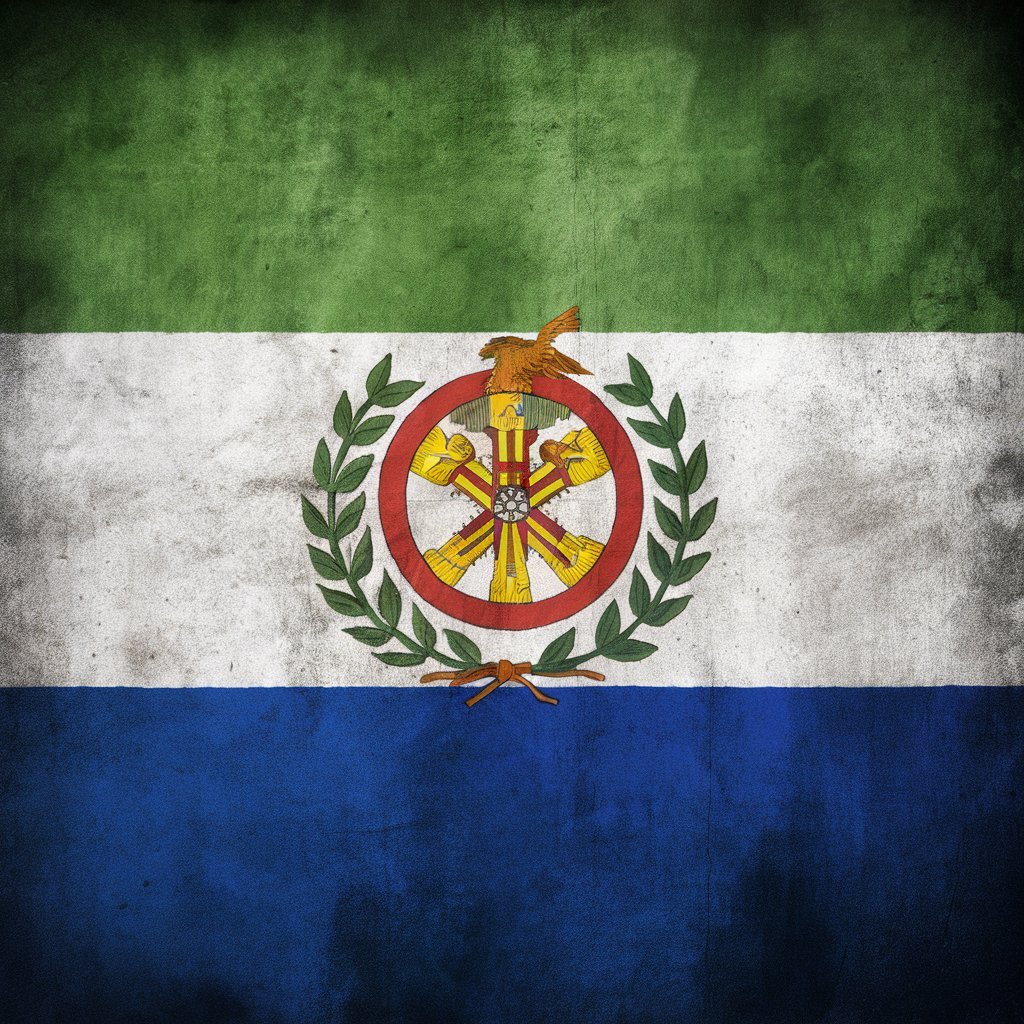
The Nicaragua flag is much more than a national emblem waving above government buildings and public spaces. It represents the country’s rich history, cultural identity, independence, and aspirations for peace and unity. Every color, stripe, and symbol displayed on the flag carries a deeper meaning that reflects Nicaragua’s journey through colonial rule, independence, regional cooperation, and national development.
Officially adopted in its current form in 1971, the flag is inspired by the historical banner of the United Provinces of Central America. Its distinctive blue and white horizontal stripes symbolize the country’s geographical location and ideals, while the detailed coat of arms positioned in the center showcases important national values such as liberty, equality, and hope for a peaceful future. Whether you are a student, traveler, history enthusiast, or simply curious about world flags, understanding the Nicaragua flag provides fascinating insight into the nation’s heritage and identity.
This comprehensive guide explores the history, meaning, symbolism, colors, design, coat of arms, evolution, interesting facts, and frequently asked questions about the Nicaragua flag.
History of the Nicaragua Flag
The history of the Nicaragua flag dates back to the early nineteenth century when Central American nations gained independence from Spanish colonial rule. After declaring independence from Spain in 1821, Nicaragua became part of the Federal Republic of Central America, a political union that included Guatemala, Honduras, El Salvador, and Costa Rica.
The federation adopted a blue-white-blue flag that represented the Pacific Ocean and the Caribbean Sea surrounding Central America. Although the federation eventually dissolved in the late 1830s due to political disagreements, Nicaragua retained the general design because it had become a recognizable symbol of regional unity and independence.
Over the following decades, Nicaragua experimented with several flag variations as governments changed and political circumstances evolved. Different versions featured modified colors, altered coats of arms, and slight design adjustments. Eventually, the country standardized the flag, officially adopting the present version on August 27, 1971. The modern design preserves the historical connection to the Central American federation while emphasizing Nicaragua’s own national identity.
Today, the Nicaragua flag serves as both a reminder of the nation’s shared regional history and an expression of its independent sovereignty.
Design of the Nicaragua Flag
The Nicaragua flag features three equal horizontal stripes.
- Blue stripe on top
- White stripe in the center
- Blue stripe on the bottom
Centered within the white stripe is the national coat of arms.
The flag follows a simple yet meaningful design that is instantly recognizable among world flags. The balance of colors and the placement of the coat of arms create a visually appealing national symbol that communicates both unity and historical continuity.
Meaning of the Nicaragua Flag
Every element of the Nicaragua flag has symbolic significance.
The upper blue stripe represents the Pacific Ocean, while the lower blue stripe symbolizes the Caribbean Sea. Together, these oceans reflect Nicaragua’s geographical position as a nation bordered by two major bodies of water.
The white stripe between them symbolizes peace, honesty, unity, purity, and integrity. It represents the nation’s hope for harmony among its people and peaceful relations with neighboring countries.
The coat of arms placed in the center reinforces the country’s values of freedom, equality, democracy, and national pride. Collectively, these elements make the Nicaragua flag a powerful representation of the country’s ideals and aspirations.
Colors of the Nicaragua Flag
The Nicaragua flag uses two primary colors.
Blue
Blue symbolizes:
- The Pacific Ocean
- The Caribbean Sea
- Justice
- Loyalty
- Strength
- Vigilance
The blue stripes also represent the country’s connection to nature and its important maritime heritage.
White
White represents:
- Peace
- Honesty
- Purity
- Unity
- Integrity
- Hope
The central white band reminds citizens of the importance of maintaining peace and national harmony.
The Coat of Arms of Nicaragua
The most distinctive feature of the Nicaragua flag is its detailed coat of arms.
The emblem contains several important national symbols.
Triangle
The equilateral triangle symbolizes equality among all citizens.
Five Volcanoes
The five volcanoes represent the five original Central American nations:
- Guatemala
- Honduras
- El Salvador
- Nicaragua
- Costa Rica
They also symbolize unity among these neighboring countries.
Rainbow
The rainbow represents peace and hope for a prosperous future.
Circular Inscription
Around the emblem appears the official inscription identifying the Republic of Nicaragua.
Together, these symbols communicate the nation’s commitment to democracy, freedom, and regional cooperation.
Evolution of the Nicaragua Flag
Throughout its history, Nicaragua has used multiple flag designs. Political changes, governmental transitions, and constitutional reforms often influenced the appearance of the national flag.
Earlier versions differed in the placement of the coat of arms, the shades of blue, and certain emblem details. Despite these modifications, the traditional blue-white-blue layout remained consistent because it reflected Nicaragua’s historical ties to the former Central American federation.
The modern version successfully combines historical tradition with contemporary national identity.
Importance of the Nicaragua Flag
The Nicaragua flag plays an important role in daily national life.
It is displayed during:
- National holidays
- Independence Day celebrations
- Government ceremonies
- Schools
- Public institutions
- International sporting events
- Diplomatic missions
Citizens proudly display the flag to celebrate their heritage and demonstrate patriotism. It also serves as an internationally recognized symbol representing Nicaragua in global organizations and international competitions.
Interesting Facts About the Nicaragua Flag
The Nicaragua flag has several fascinating characteristics that make it unique among the world’s national flags.
One of its most distinctive features is the detailed coat of arms positioned in the center, making it one of the more intricate national flag designs. The flag’s blue-white-blue layout closely resembles those of other Central American nations due to their shared historical roots in the former Federal Republic of Central America. The five volcanoes on the coat of arms symbolize the unity of the original Central American republics, while the rainbow is among the rare natural symbols featured on national flags. The flag continues to represent both Nicaragua’s historical heritage and its aspirations for peace, freedom, and cooperation with neighboring countries.
Why the Nicaragua Flag Matters Today
In the modern era, the Nicaragua flag remains a powerful expression of national identity. It unites citizens regardless of political differences and reminds them of their shared history, independence, and cultural heritage. The flag is recognized worldwide as the official symbol of the Republic of Nicaragua and reflects the country’s commitment to peace, democracy, and regional friendship.
For students, travelers, educators, and researchers, understanding the Nicaragua flag provides valuable insight into Nicaragua’s history and the broader story of Central America.
Conclusion
The Nicaragua flag is a meaningful national symbol that reflects centuries of history, independence, and regional unity. Its elegant blue and white stripes represent the country’s geographical location between two great bodies of water while symbolizing peace, honesty, and national harmony. The detailed coat of arms adds deeper significance through its representation of equality, liberty, hope, and cooperation among the Central American nations.
Although the design has evolved over time, the essential elements of the Nicaragua flag have remained remarkably consistent, preserving the nation’s historical legacy while representing its modern identity. As one of the most recognizable flags in Central America, it continues to inspire pride among Nicaraguans and serves as an enduring emblem of the country’s values and aspirations.
Frequently Asked Questions (FAQs)
1. What do the blue stripes on the Nicaragua flag represent?
The blue stripes symbolize the Pacific Ocean and the Caribbean Sea that border Nicaragua, as well as justice, loyalty, and strength.
2. What does the white stripe symbolize?
The white stripe represents peace, purity, honesty, unity, and integrity.
3. When was the current Nicaragua flag adopted?
The current official version of the Nicaragua flag was adopted on August 27, 1971.
4. Why does the Nicaragua flag have five volcanoes?
The five volcanoes represent the five original Central American countries that once formed the Federal Republic of Central America.
5. What does the triangle on the coat of arms mean?
The triangle symbolizes equality among all citizens.
6. Why is there a rainbow on the Nicaragua flag?
The rainbow represents peace, hope, and a brighter future for the nation.
7. Is the Nicaragua flag similar to other Central American flags?
Yes. It shares the blue-white-blue design with several Central American countries because of their common historical connection to the former Federal Republic of Central America.
8. What is the main meaning of the Nicaragua flag?
The Nicaragua flag symbolizes independence, peace, unity, freedom, equality, and the nation’s historical heritage.

Insurance plays a critical role in protecting individuals and families from unexpected financial hardships, medical emergencies, accidents, and other unforeseen events. Choosing the right insurance provider or program can make a significant difference in long-term financial security, giving people peace of mind while ensuring they are prepared for life’s uncertainties. Among the names that many people search online is Juntos Seguros, a term associated with the idea of staying protected together through reliable insurance solutions. Whether you are looking for health coverage, life insurance, financial protection, or affordable plans designed for families, understanding how Juntos Seguros works can help you make informed decisions about your future.
In this comprehensive guide, we will explore what Juntos Seguros means, its potential insurance services, key benefits, available coverage options, reasons people choose insurance protection, important factors to consider before enrolling, and frequently asked questions. By the end of this article, you will have a clear understanding of why comprehensive insurance planning is an essential part of building financial stability for yourself and your loved ones.
What Is Juntos Seguros?
The phrase “Juntos Seguros“ translates from Spanish as “Safe Together” or “Together, Secure.” It is commonly used in programs, campaigns, and organizations that emphasize working together to improve financial security, healthcare access, and insurance protection. Depending on the country or organization, Juntos Seguros may refer to an insurance initiative, a community-focused program, or a service that aims to make insurance more accessible to individuals and families.
The core idea behind Juntos Seguros is that insurance should provide more than financial reimbursement after an unexpected event. It should also give families confidence, stability, and access to resources that help them recover from difficult situations. Whether protecting against medical expenses, accidents, property damage, or the loss of income, insurance is designed to reduce financial risk and support long-term well-being.
As awareness of financial planning continues to grow, many people seek affordable insurance options that balance comprehensive coverage with manageable premiums. Programs or services using the Juntos Seguros concept often focus on making insurance easier to understand and more accessible for communities that may face barriers to traditional financial services.
Why Insurance Is Important
Insurance serves as a financial safety net that protects individuals and families from unexpected expenses. Medical emergencies, natural disasters, accidents, or the loss of a family’s primary income can create significant financial stress. Without insurance, these events may result in overwhelming debt or long-term financial instability.
A reliable insurance plan helps reduce these risks by covering eligible expenses according to the policy terms. Health insurance can reduce medical bills, life insurance can provide financial support to loved ones, property insurance can help repair or replace damaged assets, and other specialized insurance products offer protection for vehicles, businesses, and personal belongings.
Insurance also encourages long-term financial planning. Instead of worrying about how to pay for unexpected events, policyholders can focus on recovery and maintaining their quality of life while their insurance coverage helps manage eligible costs.
Key Benefits of Juntos Seguros
One of the greatest strengths of Juntos Seguros is its emphasis on making insurance accessible, understandable, and beneficial for families and individuals. Rather than viewing insurance solely as a financial product, the concept encourages long-term security and community support. Affordable premiums can make insurance more attainable, while flexible plans allow people to select coverage that matches their needs and budgets. Many insurance solutions also provide preventive healthcare services, financial education, digital account management, and customer support to improve the overall experience.
Another important benefit is peace of mind. Knowing that your family has financial protection in place during emergencies allows you to focus on work, education, and daily life without constantly worrying about unexpected expenses. Insurance also helps preserve savings, preventing medical bills or accident-related costs from consuming funds that were intended for future goals such as home ownership, retirement, or children’s education.
Types of Insurance Often Associated with Juntos Seguros
Insurance programs operating under the Juntos Seguros concept may include various forms of protection depending on the provider and region. Health insurance is often one of the most important offerings because it helps individuals access medical treatment while reducing out-of-pocket expenses. Life insurance provides financial assistance to beneficiaries after the death of the insured person, helping families manage ongoing living expenses. Accident insurance offers benefits following covered injuries, while disability insurance may replace part of a person’s income if they become unable to work due to illness or injury.
Some providers also offer dental, vision, property, travel, or business insurance, allowing customers to combine multiple policies under one provider. Bundling insurance products may lead to simplified policy management and, in some cases, cost savings.
How to Choose the Right Insurance Plan
Selecting an insurance plan requires careful evaluation of your financial situation, family needs, health conditions, and future goals. Before purchasing any policy, compare the available coverage, deductibles, exclusions, claim procedures, premium costs, and customer service quality. Reading policy documents thoroughly helps ensure you understand what is covered and what limitations apply.
You should also evaluate the financial strength and reputation of the insurance provider, as this can influence claims processing and customer support. Choosing coverage based solely on the lowest premium may leave important risks uninsured, while paying for unnecessary coverage can increase expenses without providing additional value. Finding the right balance between affordability and comprehensive protection is essential.
Who Can Benefit from Juntos Seguros?
Juntos Seguros can benefit a wide range of people, including young professionals beginning their financial journey, growing families seeking dependable protection, retirees looking for healthcare security, and self-employed individuals who need customized insurance solutions. Small business owners may also benefit by protecting their operations, employees, and financial investments against unexpected events.
For families with children, insurance provides additional reassurance that educational plans, household expenses, and healthcare needs can continue even during difficult circumstances. Individuals nearing retirement often prioritize insurance to protect savings from large medical costs or other unexpected financial challenges.
Tips for Maximizing Your Insurance Benefits
To get the greatest value from insurance, review your policy regularly to ensure it still reflects your current needs. Keep beneficiary information up to date, understand the claims process before an emergency occurs, maintain organized records of important documents, and notify your insurer whenever significant life changes occur. Comparing plans periodically can also help identify opportunities to improve coverage or reduce costs while maintaining adequate protection.
Common Mistakes to Avoid
Many people purchase insurance without reading the policy details, assuming every situation is covered. Others underestimate the amount of coverage their family requires or fail to update policies after marriage, the birth of children, or major financial changes. Missing premium payments, misunderstanding deductibles, and delaying claims can also reduce the effectiveness of insurance protection. Taking time to understand your policy can prevent costly surprises in the future.
Conclusion
Juntos Seguros represents the powerful idea of achieving greater financial security and peace of mind through insurance and shared protection. Whether you are searching for health insurance, life insurance, accident coverage, or broader financial planning solutions, understanding the available options helps you choose coverage that fits your personal and family needs. A well-designed insurance plan not only protects against unexpected financial burdens but also supports long-term stability, allowing individuals and families to pursue their goals with greater confidence. By carefully comparing plans, reviewing policy terms, and maintaining adequate coverage, you can build a stronger financial future while ensuring that those you care about remain protected when it matters most.
Frequently Asked Questions (FAQ)
1. What does Juntos Seguros mean?
Juntos Seguros is a Spanish phrase meaning “Safe Together” or “Together, Secure.” It is often associated with insurance programs or initiatives focused on protection and financial security.
2. Is Juntos Seguros an insurance company?
The phrase may refer to different insurance programs or organizations depending on the country or provider. Always verify the specific organization you are researching.
3. What types of insurance can Juntos Seguros include?
It may include health, life, accident, disability, property, dental, vision, travel, or other insurance products depending on the provider.
4. Why is insurance important for families?
Insurance helps protect families from unexpected financial losses caused by illness, accidents, death, or property damage while supporting long-term financial stability.
5. How do I choose the best insurance plan?
Compare coverage, premiums, exclusions, deductibles, claim procedures, provider reputation, and customer support before making a decision.
6. Can insurance help reduce financial stress?
Yes. Insurance can significantly reduce the financial burden of unexpected events by covering eligible expenses according to the policy terms.
7. Who should consider insurance coverage?
Almost everyone can benefit from insurance, including individuals, families, retirees, self-employed professionals, and business owners.
8. How often should I review my insurance policy?
Review your policy at least once a year or whenever major life events occur, such as marriage, the birth of a child, purchasing a home, or changing jobs.




 Health4 months ago
ABS Testauslösung: Bedeutung, Ursachen und Lösungen einfach erklärt
- News4 months ago
Chronicle Tribune Obituaries: Complete Guide to Searching Death Notices, Archives, and Memorial Information
- lifestyle4 months ago
Things to Paint: 150 Creative Painting Ideas for Every Skill Level
- Blogs4 months ago
Midtown Manhattan: The Ultimate Guide to Attractions, Hotels, Dining, Shopping, and Things to Do
- Business4 months ago
Charlotte Restaurant Week 2025: Complete Guide to Dates, Menus, Restaurants, Reservations & Dining Deals
- News4 months ago
Mountain Eagle Jasper Alabama: Complete Guide to the Local Newspaper and Community News
- Fashion4 months ago
Blazertje: The Complete Guide to Style, Fashion, and Everyday Wear
- Fashion4 months ago
Drew Ann Reid: Biography, Career, Achievements, and Professional Journey